
Texas
Home market- Area
- Houston region
- Focus
- Land, ground-up single-family development, multifamily repositioning
The platform
MPIRE finds, finances, builds and manages residential real estate across multiple markets, with one goal: long-term value for investors, residents and the communities we work in.
Our Position
What that means
Our platform combines acquisition, development, construction, asset management and capital strategy to identify opportunities and execute business plans from acquisition through exit.
The Lifecycle
A real estate business plan moves through six stages, from buying the property to returning capital to investors. This is the sequence MPIRE plans around.
Source and buy land, homes and small multifamily at a basis the business plan supports.
Structure the capital stack: sponsor equity, investor capital and debt sized to the plan.
Renovate existing homes or build new ones, with construction managed in-house.
Lease up, fix operations and bring occupancy and rents to plan.
Refinance a stabilized asset or sell it, depending on the plan and the market.
Return capital and any profits to investors according to the offering documents.
Our Story
MPIRE’s earlier work centered on land and new homes around Houston. In 2026 it added an occupied residential portfolio in Ohio.
Home base
MPIRE is based in Houston, its home market.
Earlier work
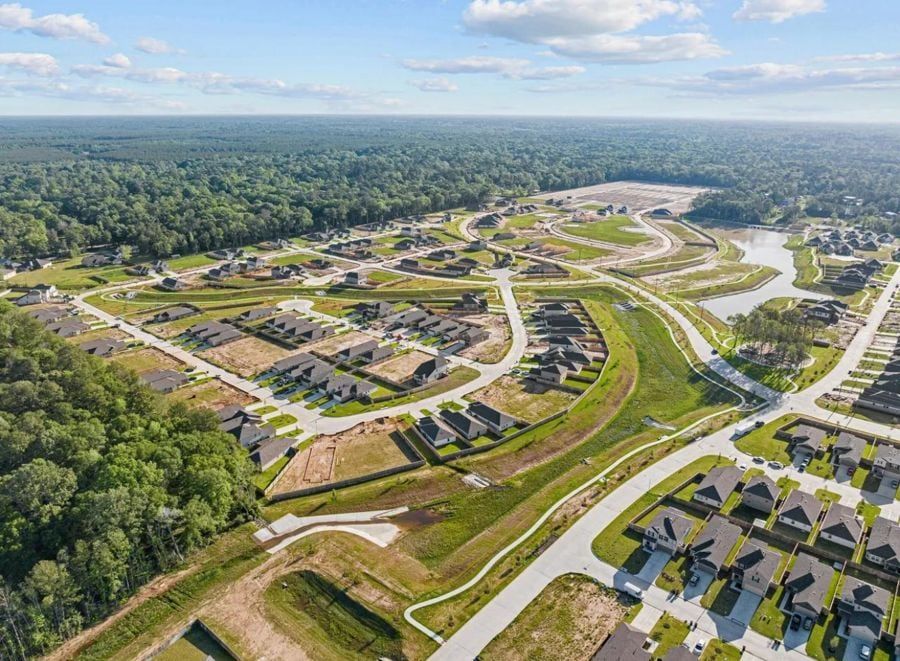
Land acquisition and ground-up development in the Houston region, including New Caney, a 97-home single-family community, and holdings in Friendswood assembled through Mpire Real Estate Group.
2026
MPIRE expanded into Ohio with an existing, occupied residential portfolio across ten markets: 197 assets, 270 units and 33 buildable lots.
Next
The next phase is building MPIRE into a development and operating platform.
What We Do
Capital put to work in specific properties, under written business plans.
Land, lots and new homes, taken from plan to delivery.
Housing, jobs and partnerships in the markets we build in.
Local initiatives, from feeding families in need to supporting community groups.
Investment Philosophy
Principle 1
Buying a property starts the work. A plan should say what will be renovated or built, how the property will be leased and managed, and who is responsible for each part.
Principle 2
A plan should work because of what we do: buying at the right basis, renovating or building, and improving operations. Market appreciation can help, but the plan shouldn’t depend on it.
Principle 3
Before committing to a property, the plan names how investors’ capital is expected to come back: a refinance, a sale or a long-term hold. Markets change, and the offering documents describe what happens if the plan does.
Deal Sourcing
A business plan starts with buying at a basis the plan supports, so where a deal comes from matters.
Opportunities that come through owners, brokers and lenders before a property is widely marketed.
Owners selling a group of properties together, sometimes across several markets.
Raw land and buildable lots for new single-family homes.
Have a property or portfolio to sell? Send the details to MPIRE.
Submit a deal to MPIREValue Creation
Value-add real estate means buying a property that isn’t performing to its potential and doing the work that closes the gap.
Bringing homes and buildings that have fallen behind up to the standard renters in that market expect.
Example: Ohio Portfolio
Building new homes on raw land or buildable lots.
Example: New Caney
Tighter leasing, maintenance, rent collection and expense control, run to a written plan.
Bringing occupancy and rents to the levels in the plan, which is what makes a refinance or sale possible.
Vertical Integration
The fewer parts of a plan that depend on outside parties, the more control there is over budgets, schedules and quality.
Finding, underwriting and buying land, homes and multifamily property.
In-house or partner
Planning new communities and taking land from raw acreage to buildable lots and homes.
In-house or partner
Building new homes and running renovations: budgets, schedules, contractors and quality.
In-house or partner
Leasing, operations and renovation oversight after closing, plus investor reporting.
In-house or partner
Structuring each deal’s capital: sponsor equity, investor capital and debt sized to the plan.
In-house or partner
Markets & Investment Types
Texas and Ohio today, each with its own mix of property and strategy.
For accredited investors
Two short steps. Accredited investors can book an introductory call with MPIRE’s team and hear about new opportunities first.